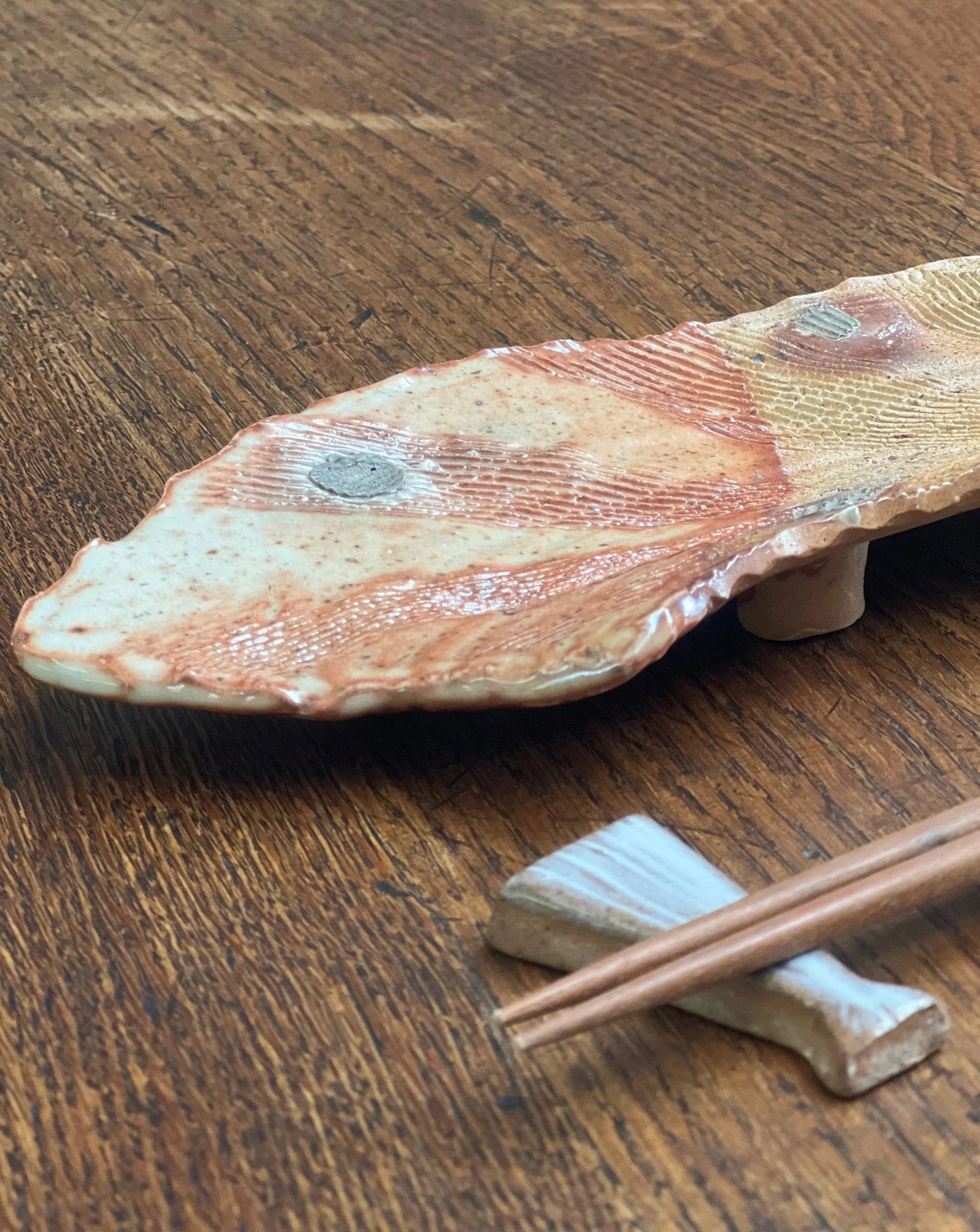
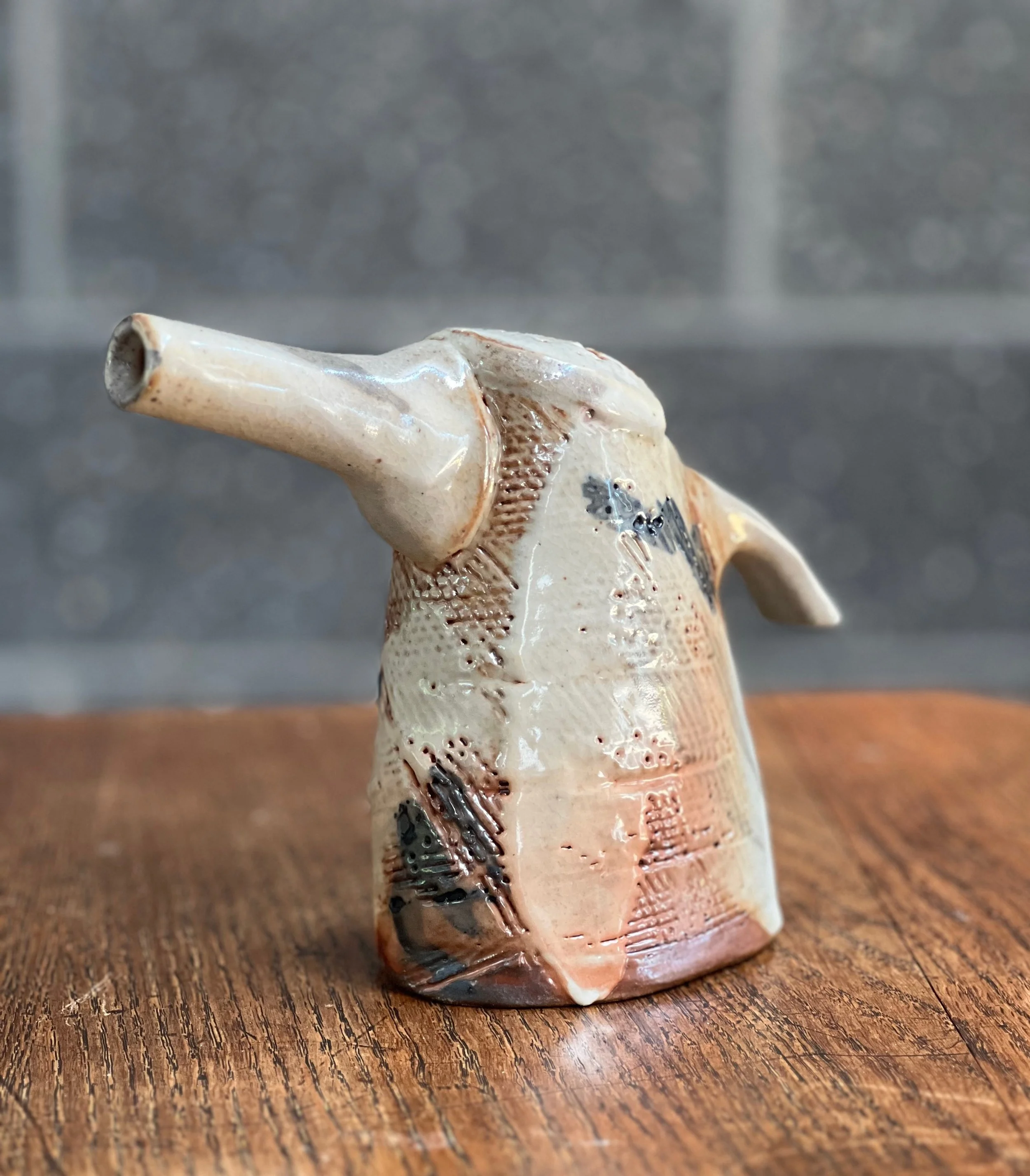
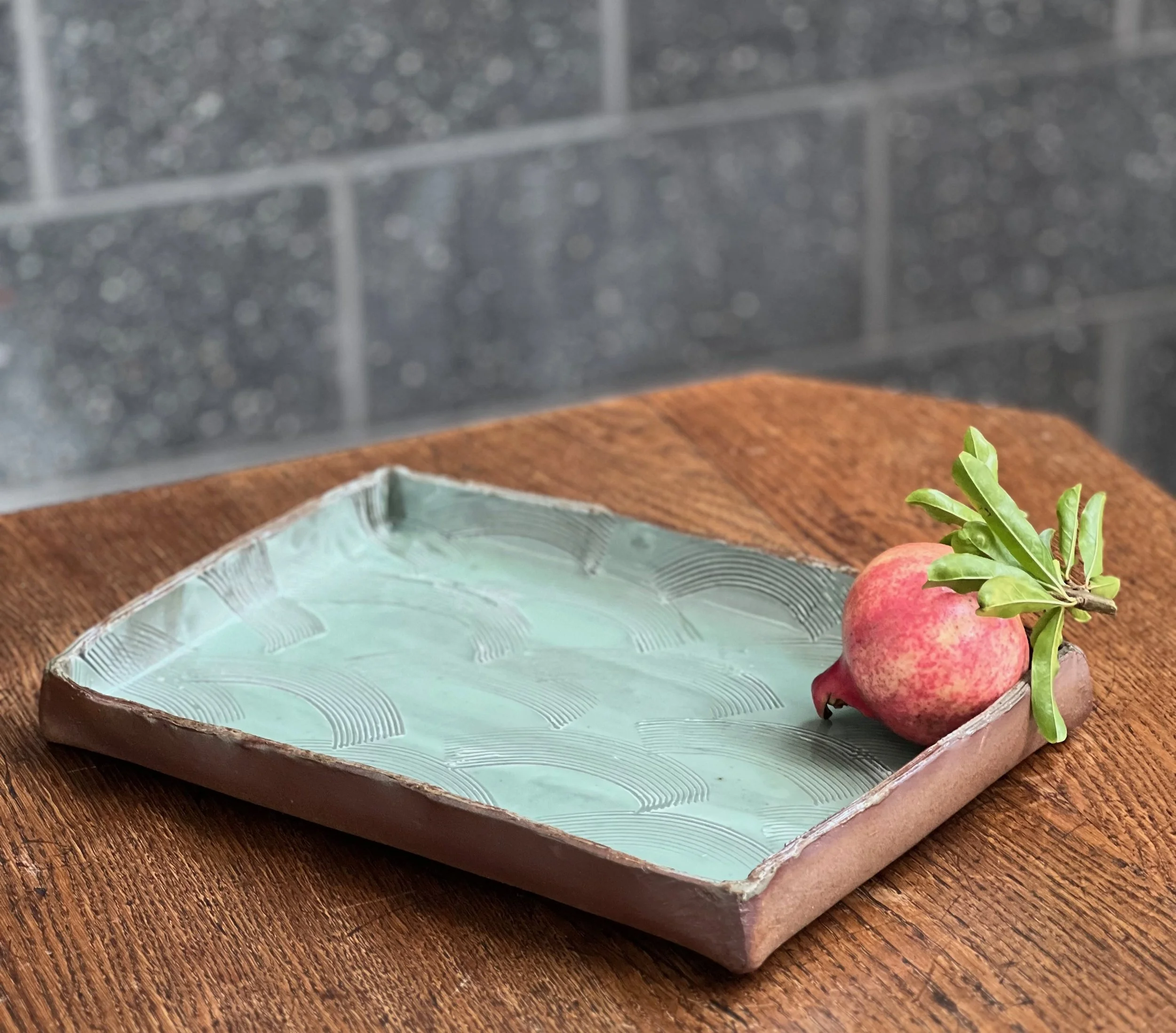
fushiki homewares
Our Tea room and my homeware collection share the name ‘fushiki’. In Japanese this literally means, ‘not knowing’ but the deeper meaning is recognising that we can take a moment to learn about something new and appreciate it.

the story of ‘not knowing’
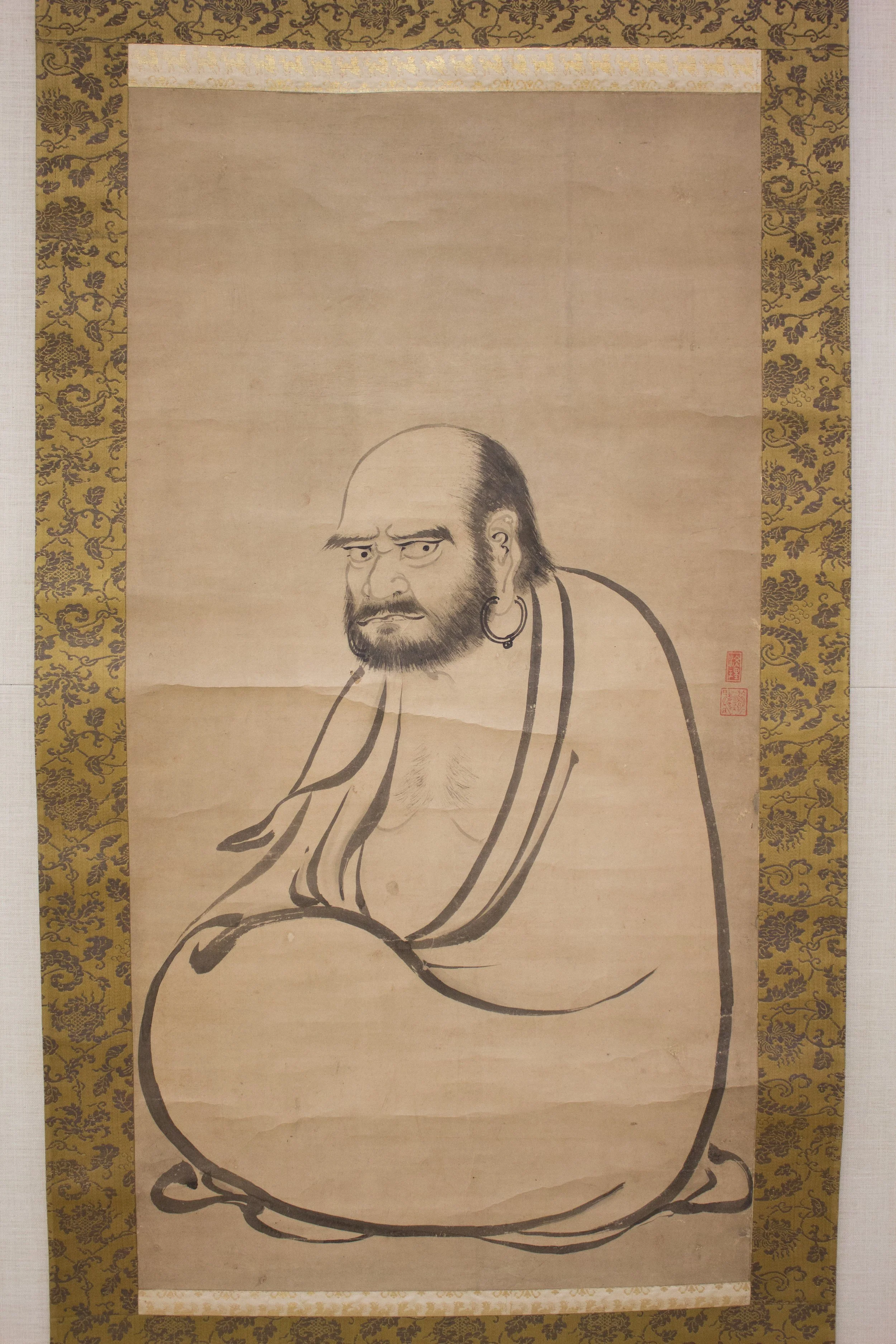
The story of fushiki is a well-known moment in Zen Buddhist history. The great Indian teacher, Bohdidharma (J. Daruma) travelled across the continent to bring Buddhism to China. After an arduous journey, he arrives in the court of Emperor Wu of Liang (464–549 CE), probably a bit dishevelled. The Emperor is clearly perplexed by this dusty monk and asks, quite rudely, “Who are you?”. The great sage responds, “fushiki” ( literally, “I don’t know”). Then he leaves. Too late, the emperor realises his mistake: the monk’s appearance and status were not important; it was his teaching that mattered. (Blue Cliff Record, s. 1, Hekiganroku, 碧巌録).
Image: Brooklyn Museum, 達磨図 (Daruma zu) Bodhidharma (Daruma) Attributed to Kano Sanraku 狩野山楽 (Japanese, 1559–1635) Edo period (1615–1868) Japan, Hanging scroll; ink on paper